Butterfly Valve with Limit Switch Box (LSB)
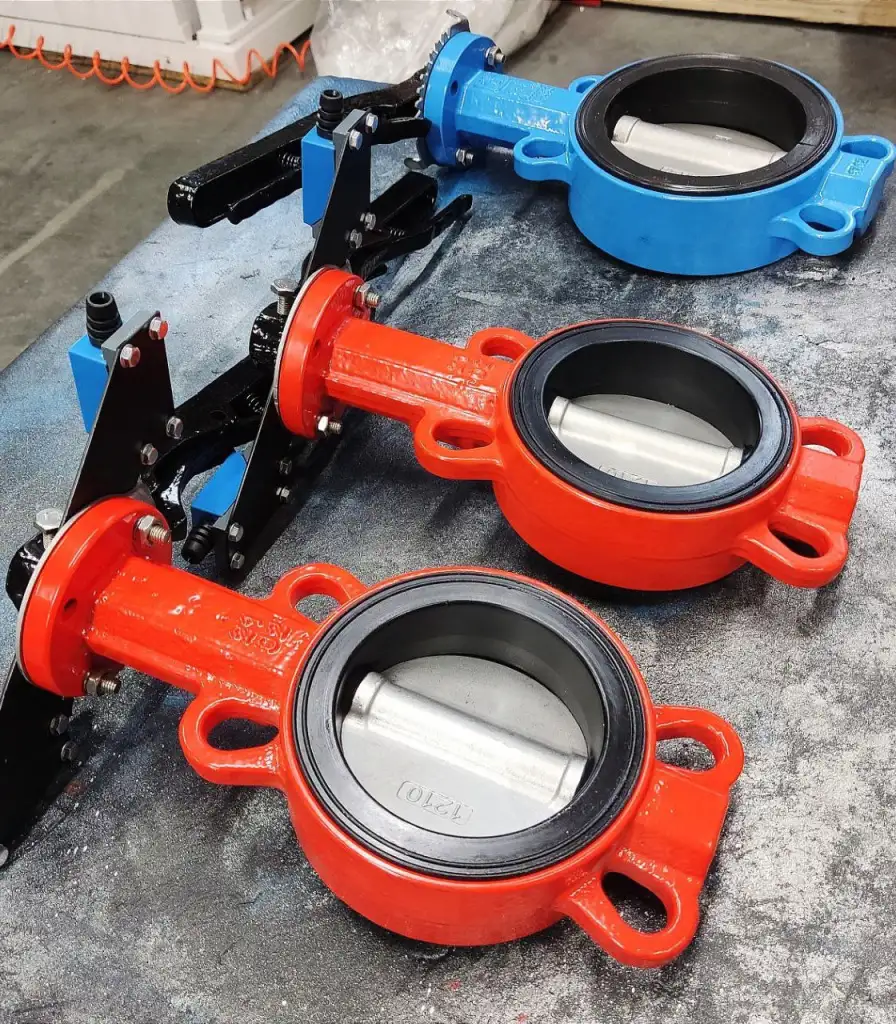
Valves With a Limit Switch Box
In our wide product range, we also offer butterfly valves with limit switch boxes (LSB). These are manually operated butterfly valves (using a lever or gearbox), additionally equipped with separate limit switches or a compact limit switch block (LSB).
Limit switch box can be equipped with valves of any series – either with levers or gearboxes.
What are Limit Switches?
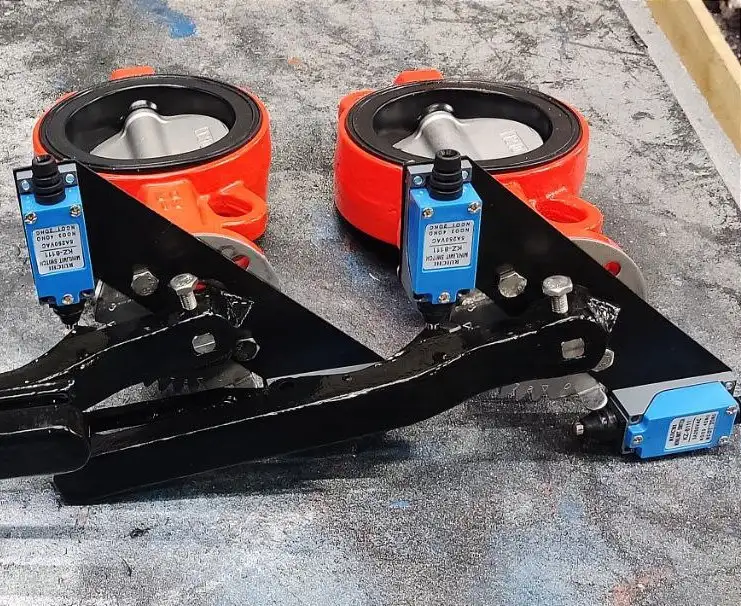
Limit switches (limit switch box) are devices mounted directly on the valve body or actuator, used to provide an electrical signal when the valve's disk reaches its end or intermediate positions. Essentially, they act as “eyes” of the control system, informing the controller (PLC, relay) that the valve has completed its movement.
Valves with a limit switch box are more compact compared to the ones with separate “end-of-travel” switches for opening and closing.
Operating Principle
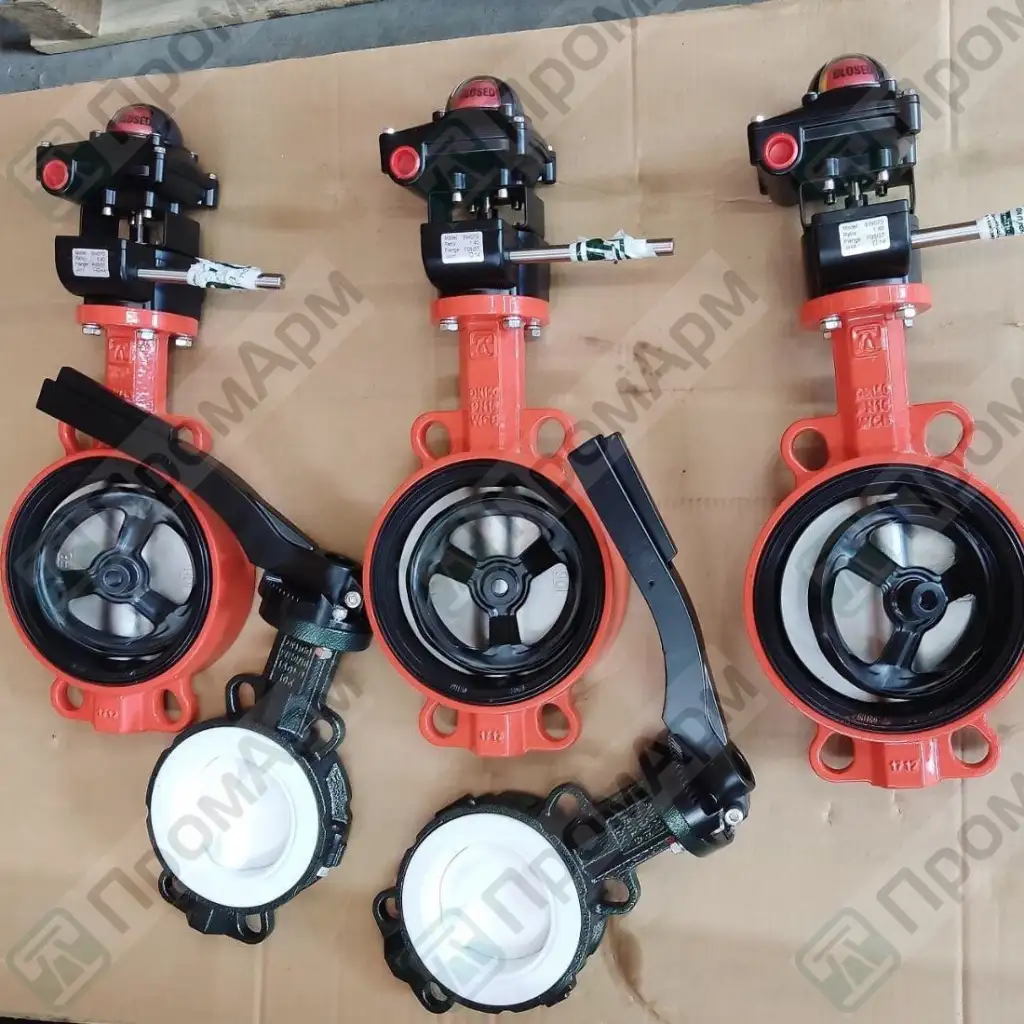
The operating principle of a valve with a limit switch block is that the block is rigidly mounted on the upper flange of the valve stem neck (for valves with a manual handle) or on the top cover of the gearbox. The valve stem is rigidly connected to the rotary shaft of the limit switch block, which, in turn, mechanically actuates the switches via special cams during rotation, allowing the electrical signal to pass through.
Configuration of Valves With Limit Switch Boxes (LSB)
Limit switch boxes are produced with protection ratings up to IP68 and are available in both general industrial and explosion-proof versions. Butterfly valves with explosion-proof limit switch blocks are used at facilities where enhanced equipment safety requirements are imposed.
How to choose a valve with LSB?
When looking for a disc valve with a limit switch block, one must pay attention to the following characteristics:
Number of contacts and switched circuits:
- With 1 contact (NO or NC);
- With 2 contacts (1NO + 1NC) – the most universal and common option;
- With 4 and more contacts (2NO + 2NC, etc.) for complex tasks when different chains control one signal.
Switching voltage and current: The electrical contact parameters must match the load (for example, a PLC input at 24 V DC or a power relay at ~220 V AC).
Ingress Protection (IP): For operation in conditions of high humidity, dust, or aggressive media, units with a high degree of protection are required (for example, IP67).
Status indication: Many modern units feature an LED indicator that displays the presence of a signal, significantly simplifying troubleshooting and setup.
Conclusion
Valves with limit switch blocks are used wherever real-time monitoring of valve status is required and continuous signaling of the disc position is needed.
Valves with limit switch units (LSUs) are an integral part of modern pipeline fittings, providing feedback on the position of the actuator and making the system controllable, reliable, and safe. Proper selection of such a unit is critically important for the stable operation of the entire equipment.